11 November 2026
Keeping Isolation and Loneliness at Bay: Why Companionship Matters as Much as Care
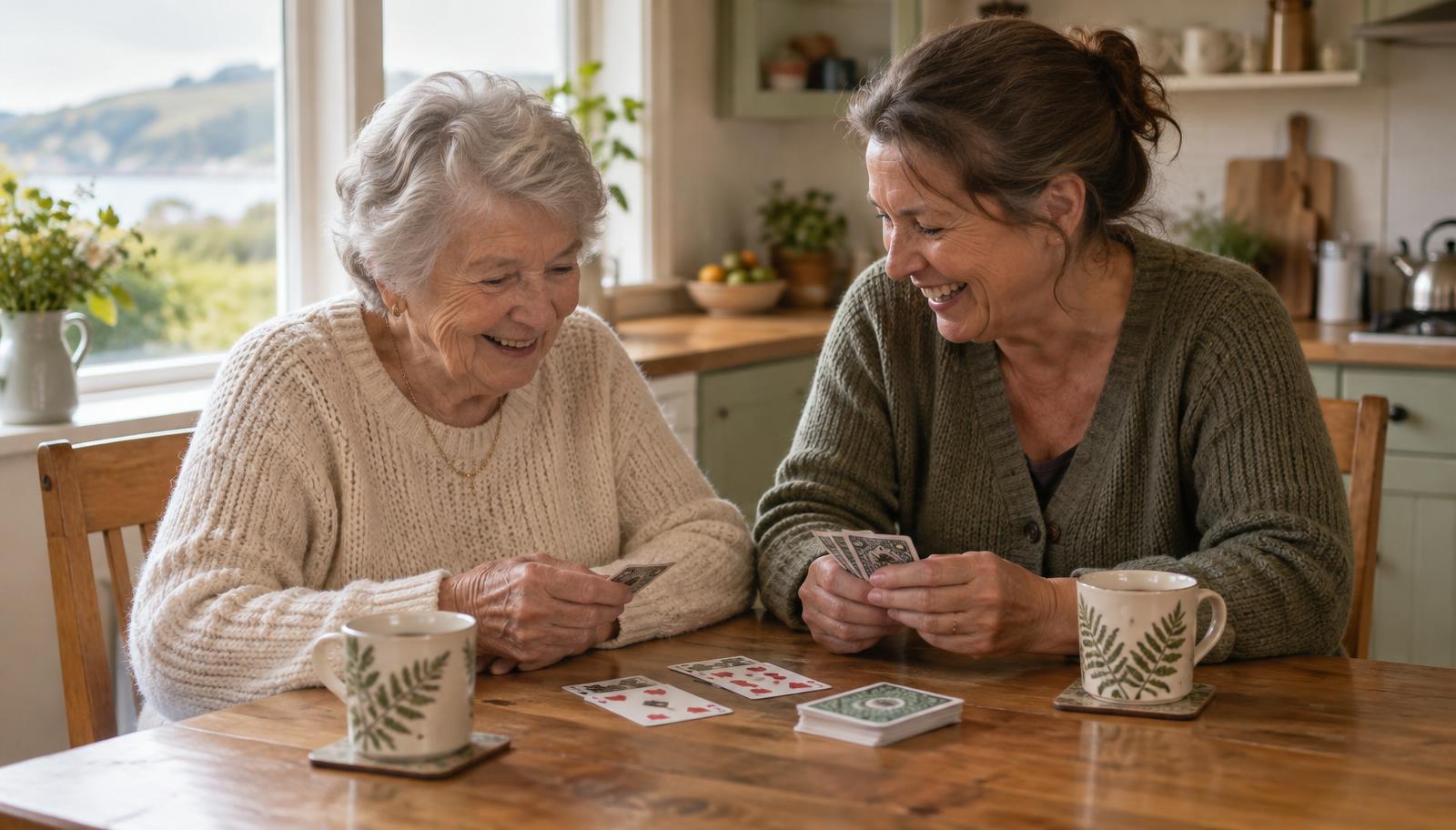
When we think about helping an ageing parent stay at home, we usually start with the practical things: meals, medication, showering, getting to appointments. Those matter. But for many people, the hardest part of the week isn't a task they can't manage. It's the long, quiet hours by themselves.
Isolation is easy to miss, especially from a distance, and it has a real effect on health. The good news is that small, regular moments of connection make a difference, and there's plenty families can do.
Loneliness and isolation aren't quite the same thing
Healthify, New Zealand's health information site, describes social isolation as having little or no contact with other people, while loneliness is the painful feeling of wanting more connection than you have. The two often go together, but not always.
Someone can live alone and feel content. Someone else can live with family, or have a carer pop in every morning, and still feel lonely if no one has time to sit and talk. That's why companionship is worth thinking about on its own, not as an extra once the practical care is sorted.
Why it matters for health
Loneliness isn't just a low mood. Over time, it's linked to a higher risk of high blood pressure, heart disease, stroke, dementia, depression and anxiety. It can also mean poor sleep, less physical activity and more stress.
For an ageing person, isolation often creeps in for ordinary reasons:
- Losing a partner or close friends, and with them the daily conversation.
- Giving up driving, which can make even a trip to the shops or church feel out of reach.
- Hearing or vision loss, which makes conversation tiring and group outings harder.
- Health changes or a fall, which can lead to staying home "just to be safe".
- Family living further away, whether across Auckland or overseas.
Signs your loved one might be lonely
Many people won't say they're lonely and they may not want to worry you, but you should watch for changes like these:
- Pulling back from things they used to enjoy, such as clubs, church, bowls or visiting friends.
- Skipping meals or losing interest in cooking for one.
- More visits to the GP than their health seems to need.
- Getting emotional when family visit or leave.
- Long phone calls that are hard to end, or a sense that your call is the only one they've had all week.
One of these on its own may mean very little. A few together, or a change from how they used to be, is worth a conversation.
Practical ways to help
You don't have to fix everything at once. Small, regular contact often matters more than one big visit.
- Make contact predictable. A call at the same time each week gives your loved one something to look forward to. Talk about ordinary things, not just health.
- Find out what's on locally. Age Concern runs a range of services for older people including a visiting service and social activities.
- Bring back the things they love. Gardening, a weekly coffee, a walk along the beach, cards with friends, a Menz Shed or a choir. Purpose and routine help as much as company.
- Keep an eye on hearing and eyesight. Hearing loss is one of the things that make isolation more likely, so a hearing check is worth booking if conversations have become hard work.
- Ask what they'd like. Some people love a busy group. Others would much rather one good chat over a cup of tea. Let them lead.
Where a regular companion fits in
Family and friends can't always be there, and that's nobody's fault. Work, children and distance get in the way. That's where a regular companion can help.
Companionship visits aren't about doing things for someone. They're about doing things with them: a chat over morning tea, a walk around the neighbourhood, a game of cards, a drive to the beach, or a trip to the shops. Seeing the same familiar face each week builds real trust, and over time it becomes a friendship your loved one looks forward to.
It also gives families peace of mind. A regular companion notices when something has changed, such as a cough that isn't getting better, a fridge that's emptier than usual, or a mood that seems lower, and can let you know.
Key takeaways
- Loneliness and isolation are different, and someone can be lonely even with people around.
- Long-term loneliness is linked to real health risks, including heart disease, stroke, dementia and depression.
- Watch for quiet changes, like withdrawing from activities, skipping meals or extra GP visits.
- Regular, predictable contact often helps more than occasional big visits.
- Free local services, like Age Concern's visiting service, can add to what family provides.
- A regular companion offers friendship, routine and an extra set of eyes when you can't be there.
A friendly visit can make the week
At Simpson Family Care, companionship is part of what we do, from a regular friendly visit to a walk in the neighbourhood or a game of cards. We support families from the North Shore through to Whangaparāoa. If you think your loved one could do with a bit more company, we're happy to have a chat about what might help.
You can get in touch with us in a few different ways:
- Call Laura on 021 263 8994
- Email us at laura@simpsonfamilycare.co.nz
- Find us on Eldernet